Cheese Varieties: Understanding Different Types
Hard cheeses, such as Cheddar and Parmesan, are pressed to remove as much whey from the curds as possible, ensuring a long shelf life. These varieties, along with semi-hard cheeses, are matured for several months. In contrast, fresh cheeses, soft cheeses, and blue cheeses have different characteristics and aging processes, while flavoured cheeses tend to offer unique tastes that cater to diverse palates.

SEMI HARD CHEESES - What are they?
Semi hard cheeses are pressed in moulds and have a texture that sits perfectly between hard cheeses and soft cheeses. Common examples include Gouda, Gruyere, and Pecorino, which are often enjoyed alongside blue cheeses and flavoured cheeses, while also being distinct from fresh cheeses.
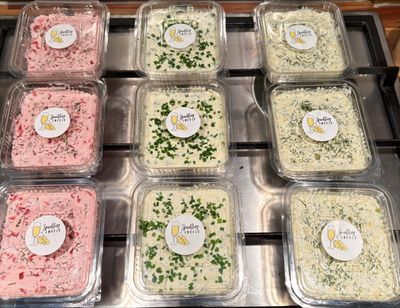
SOFT CHEESES - What are they?
Soft cheeses can come in a few formats, including washed rind, natural rind, or bloomy rind. These delightful varieties of soft cheeses offer unique flavors that can complement other types like blue cheeses and flavoured cheeses.
Washed Rind - immersed in brine, examples include Stinking Bishop and Saint-Nectaire.
Natural Rind - primarily crafted from sheep or goat's milk; a great example is Sainte-Maure de Touraine.
Bloomy Rind - featuring a white rind casing, these cheeses can be made from sheep, cow, or goat's milk, adding to the rich diversity of fresh cheeses.
When exploring cheese options, you can also find hard cheeses and semi-hard cheeses that provide different textures and taste profiles.
FRESH CHEESES - What are they?
These are the first stage of cheese types, where the curds are not ripened, pressed, or cut, allowing them to be enjoyed just a few hours after production. This category includes fresh cheeses like Mozzarella and Ricotta, alongside other cheese varieties such as soft cheeses, semi-hard cheeses, hard cheeses, flavoured cheeses, and even blue cheeses.
FLAVOURED/SMOKED CHEESES - What are they?
These can be semi hard or hard cheeses that feature delightful additions such as herbs, spices, or fruit. Examples include Wensleydale with Apricot, Chilli Cheddar, or Double Gloucester with Chives. Additionally, there are also various soft cheeses and fresh cheeses available, while blue cheeses and flavoured cheeses offer unique taste experiences.

BLUE CHEESES - What are they?
Veined cheeses, also known as blue cheeses, contain mould and can vary in flavor from mild to strong. Among the popular varieties are Stilton, Gorgonzola, and Roquefort, which showcase the unique characteristics of flavoured cheeses. This category of cheeses includes a range of options, including soft cheeses, semi-hard cheeses, and even some hard cheeses.